
Stanford Doerr School of Sustainability
Stanford Doerr School of Sustainability
a living laboratory for urban biodiversity
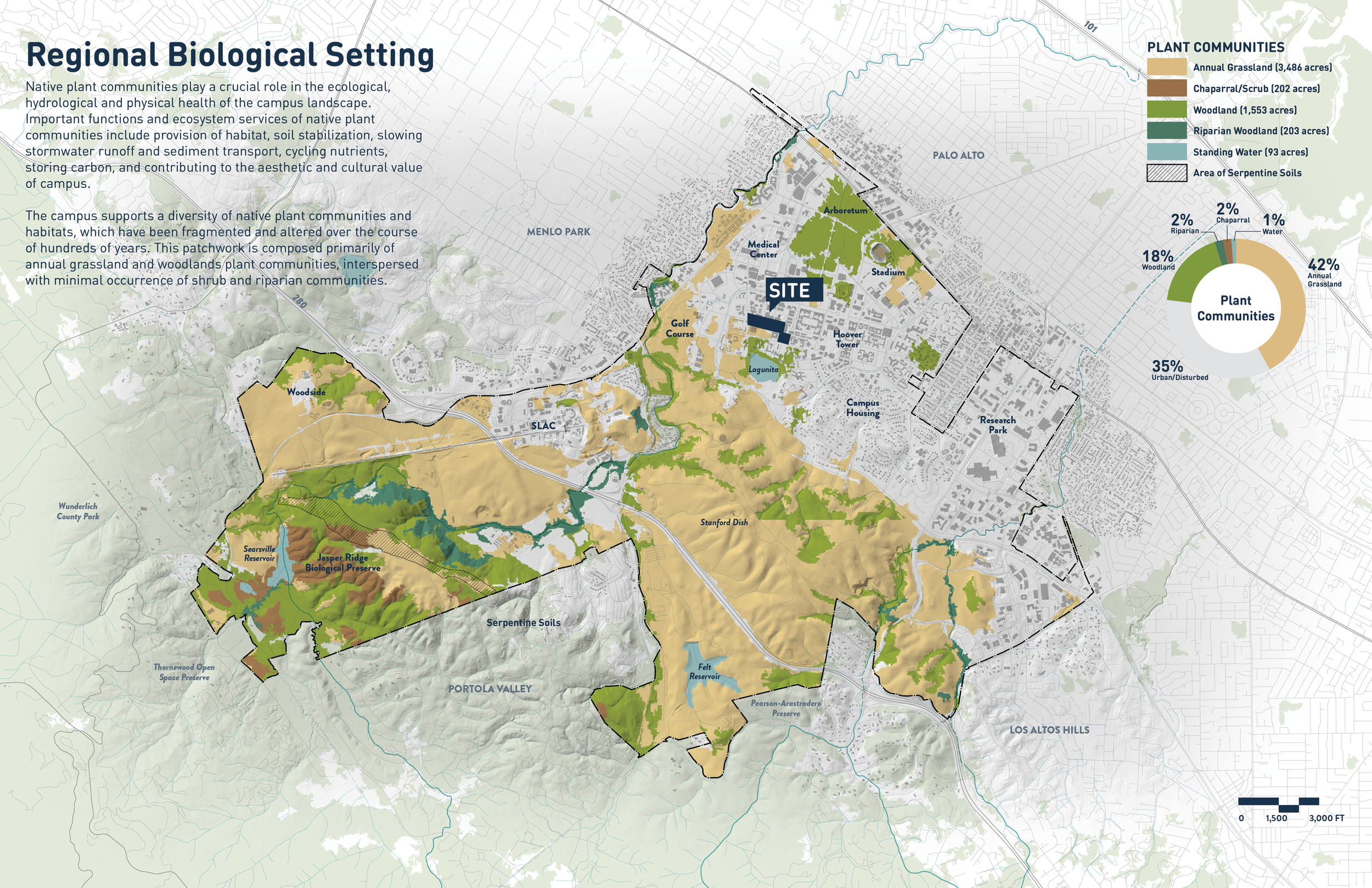
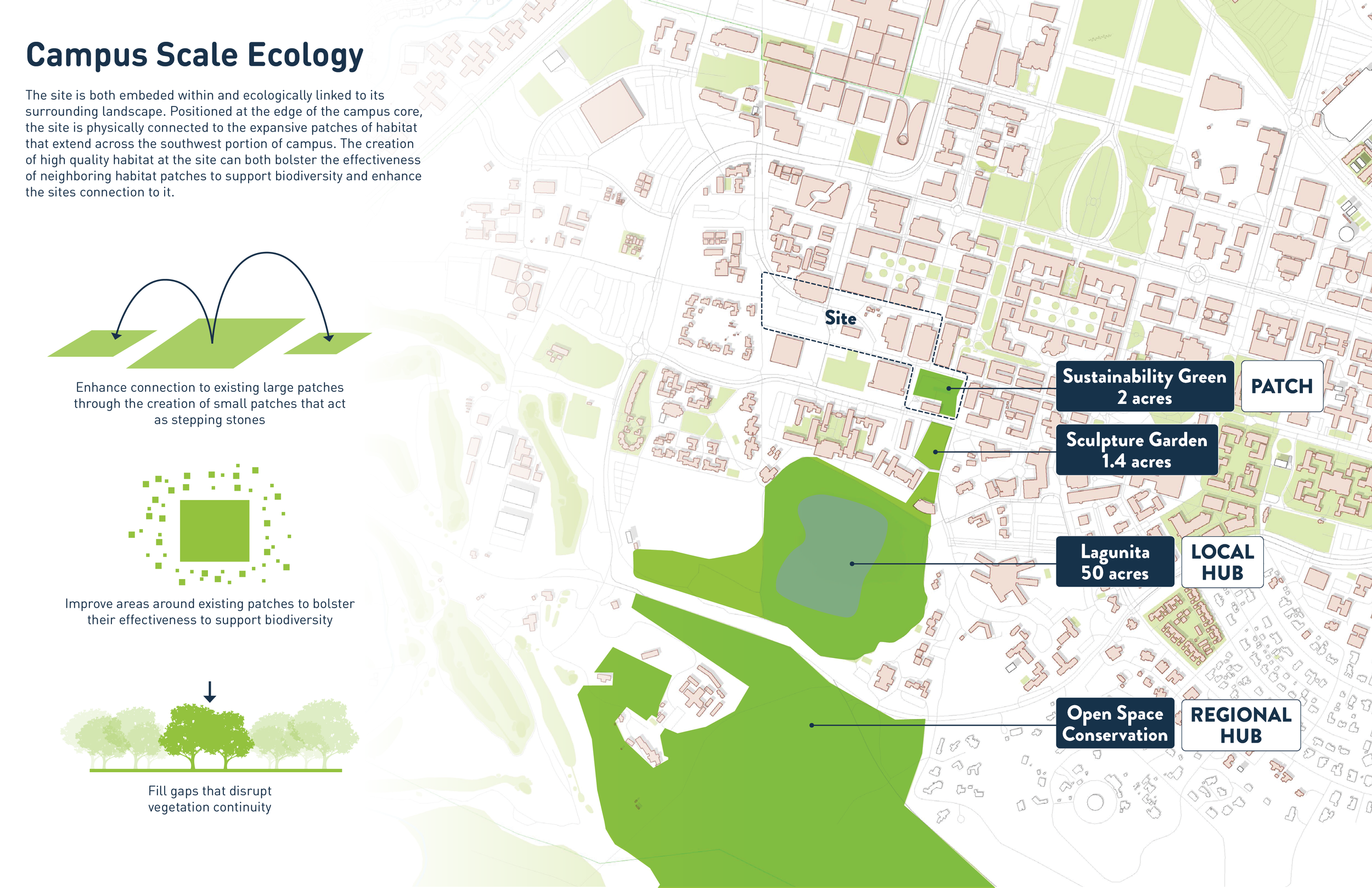
The Stanford Doerr School of Sustainability represents a once-in-a-generation moment for the Stanford campus: the creation of its first new School in more than seventy years, dedicated to shaping a future in which humans and nature thrive together. Working under the leadership of Studio Gang Architects, RANA contributed to the Master Plan and Preliminary Design for the Sustainability Commons, an environment conceived not only as an academic home but as a physical expression of the School’s mission. The plan is organized around moments of overlap—between disciplines, between inside and outside, and between human activity and ecological process—drawing inspiration from the concept of the ecotone, the richly productive transition zone where ecosystems meet.
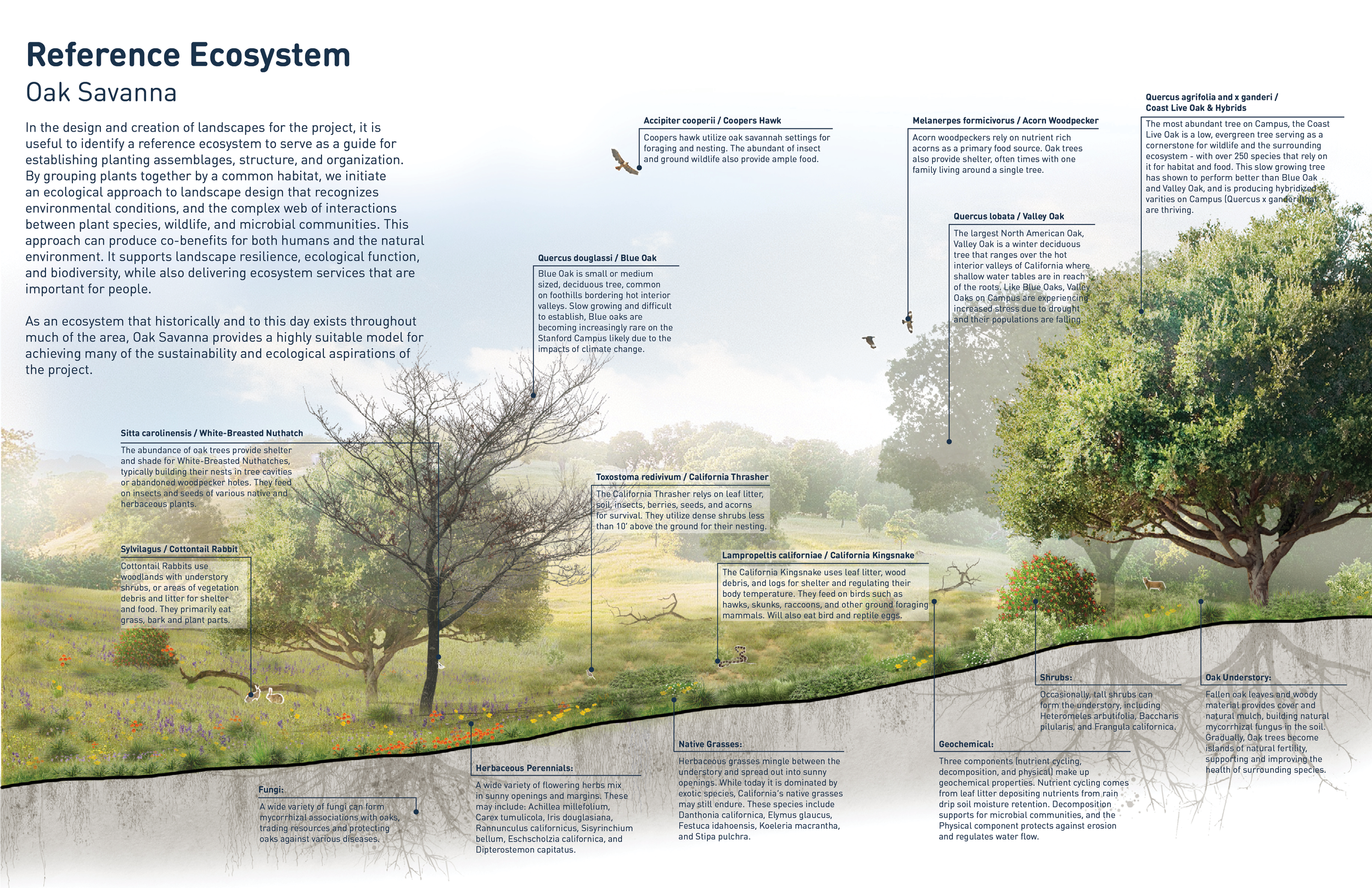
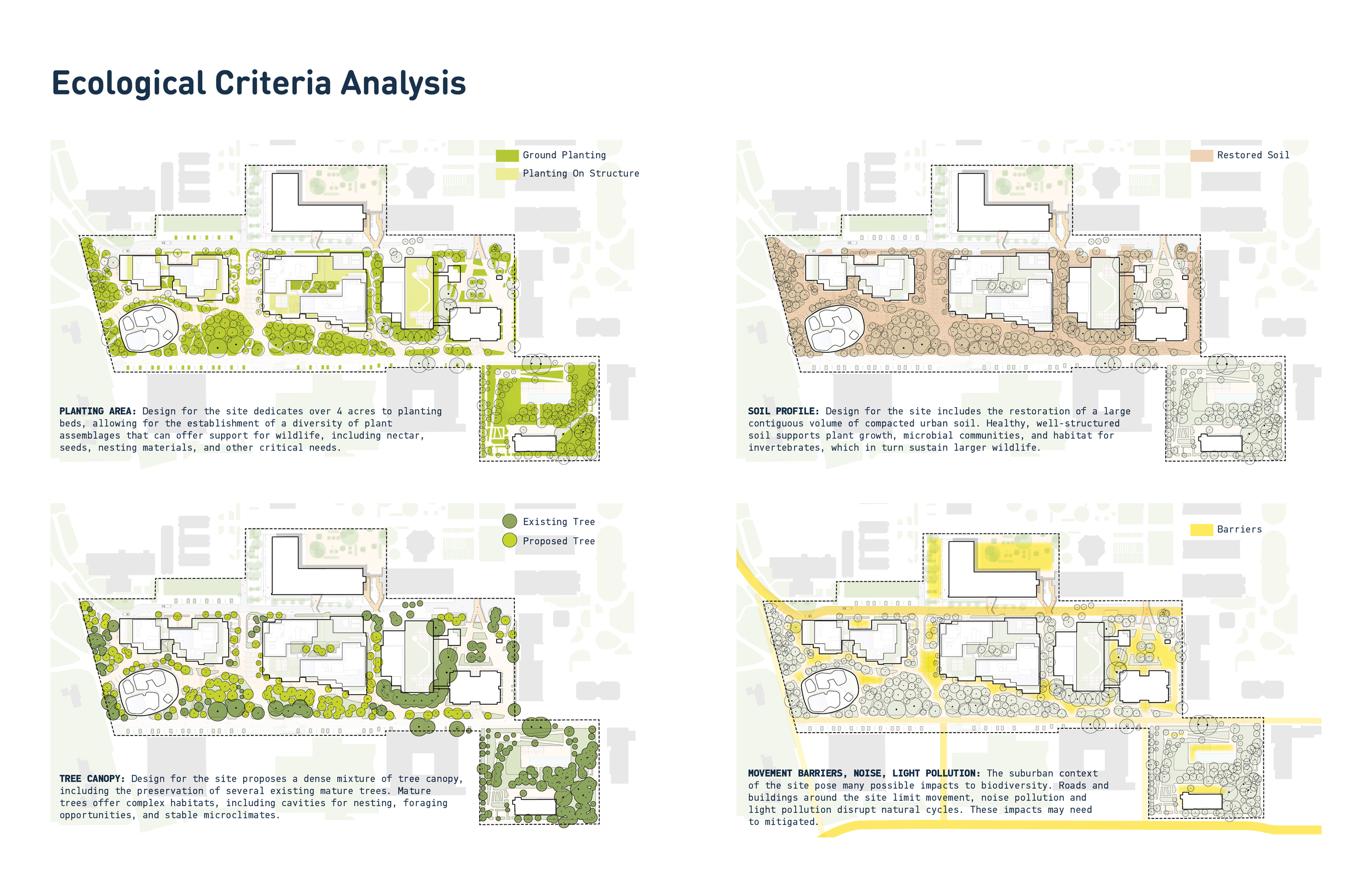
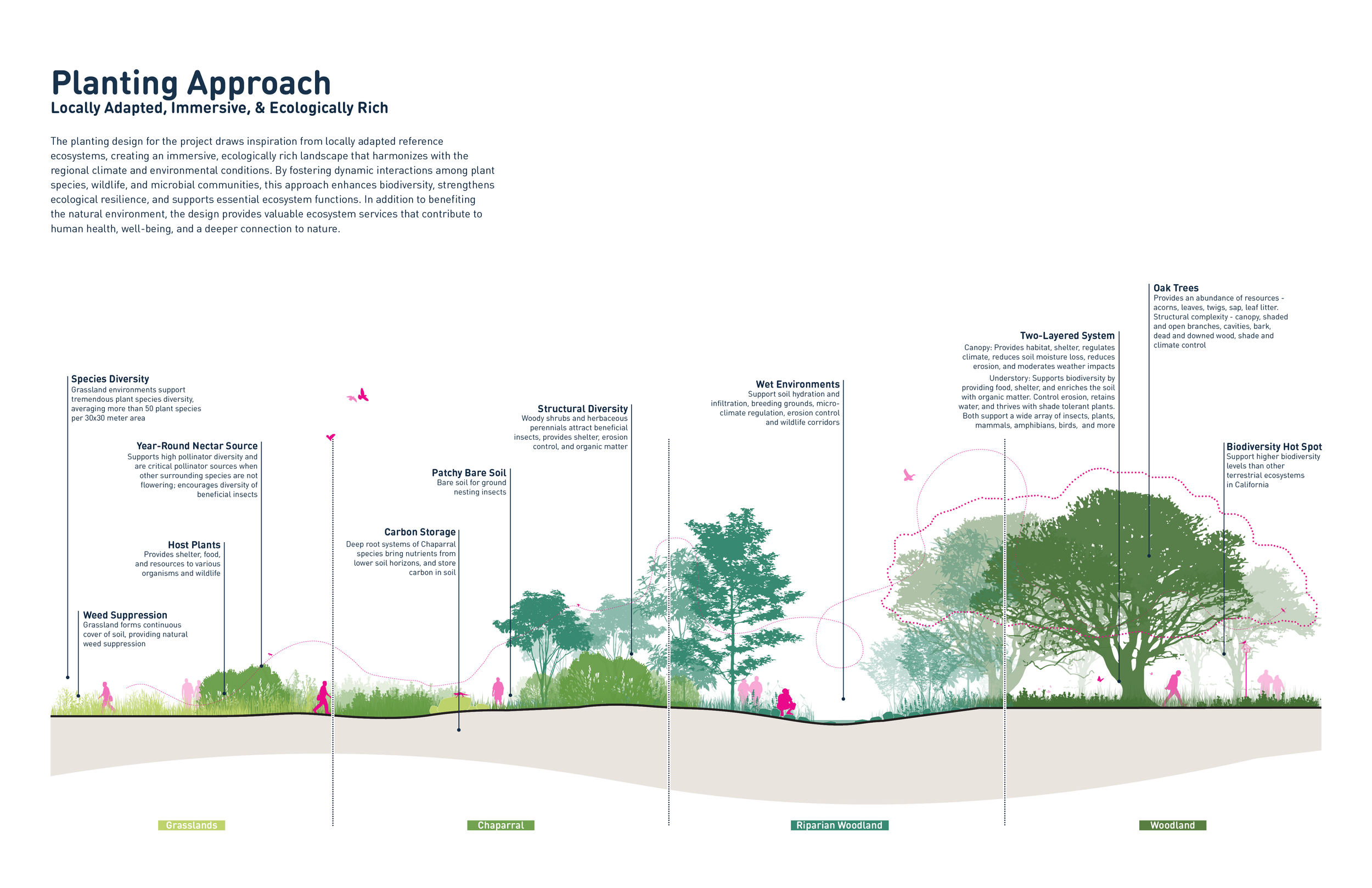
At the heart of the plan is the Commons: a contiguous, tree-filled landscape structured around healthy, living soil volumes and designed to preserve existing mature trees while establishing diverse, regionally inspired plant communities. Conceived as both civic space and ecological infrastructure, the Commons is an immersive and adaptive landscape that supports daily campus life alongside long-term experimentation, stewardship, and research. Planting strategies are rooted in locally adapted reference ecosystems, fostering dynamic relationships among plants, wildlife, and soil microbiology while delivering ecosystem services that support human health, climate resilience, and a deeper connection to place.
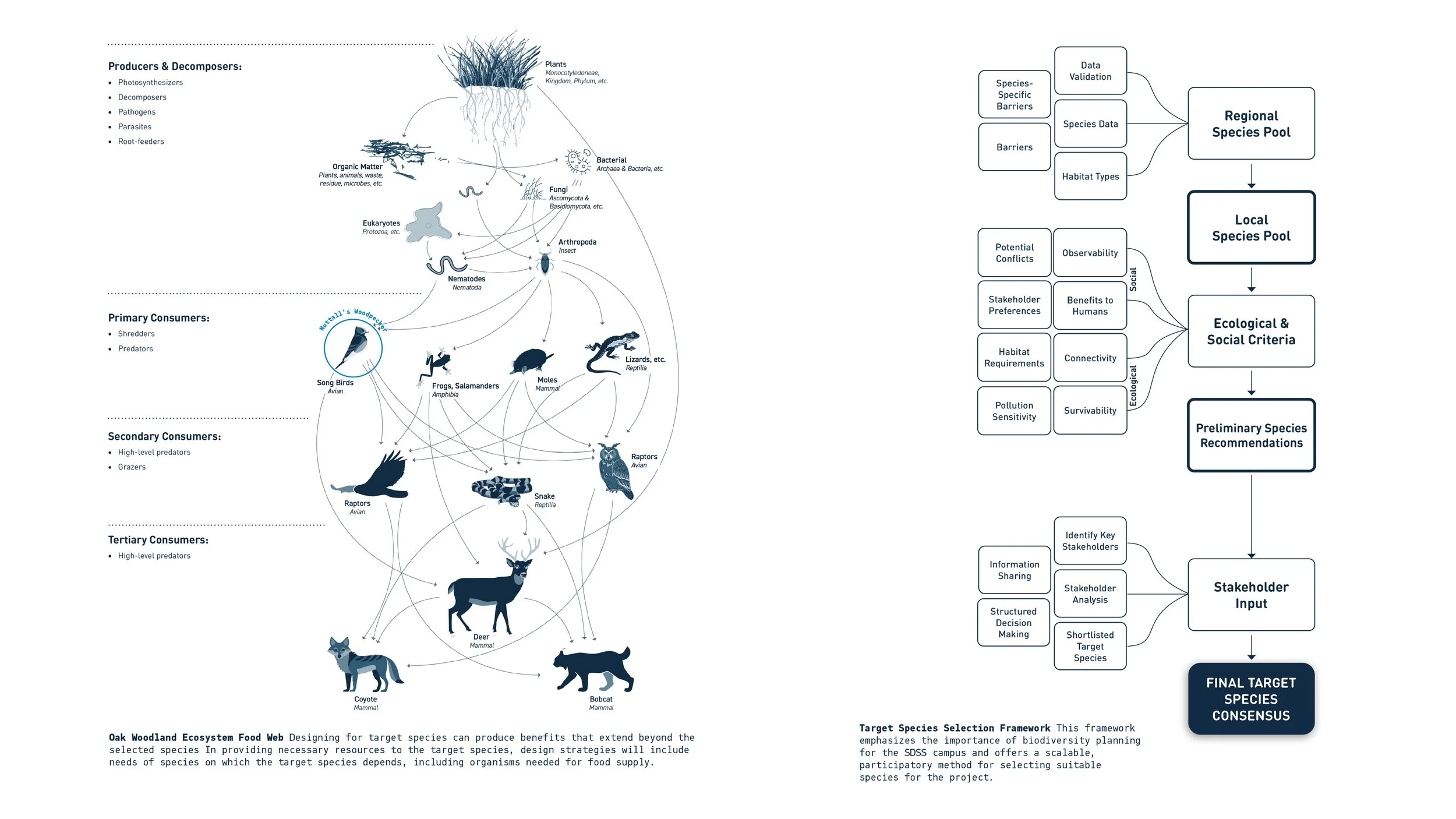
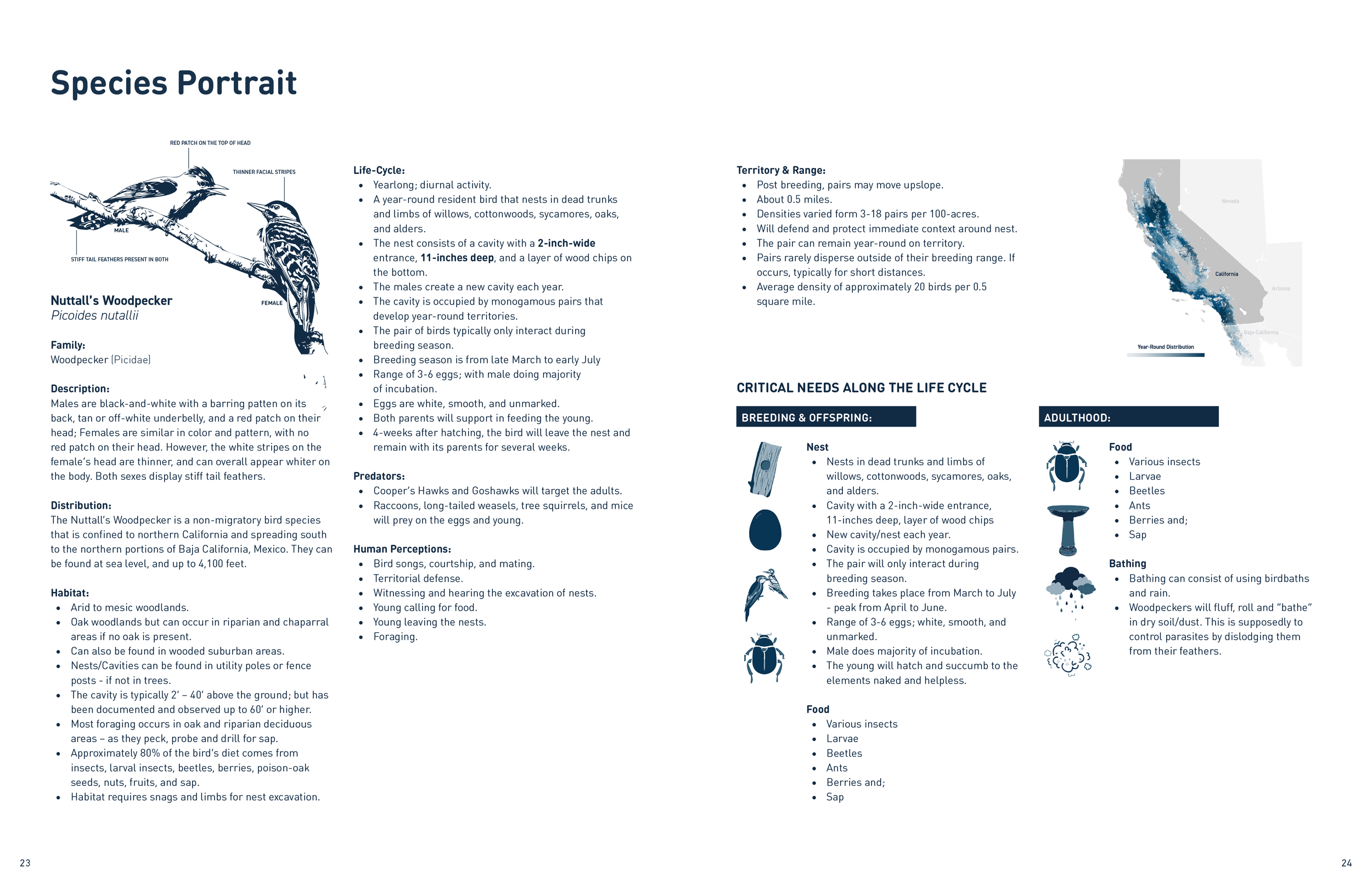
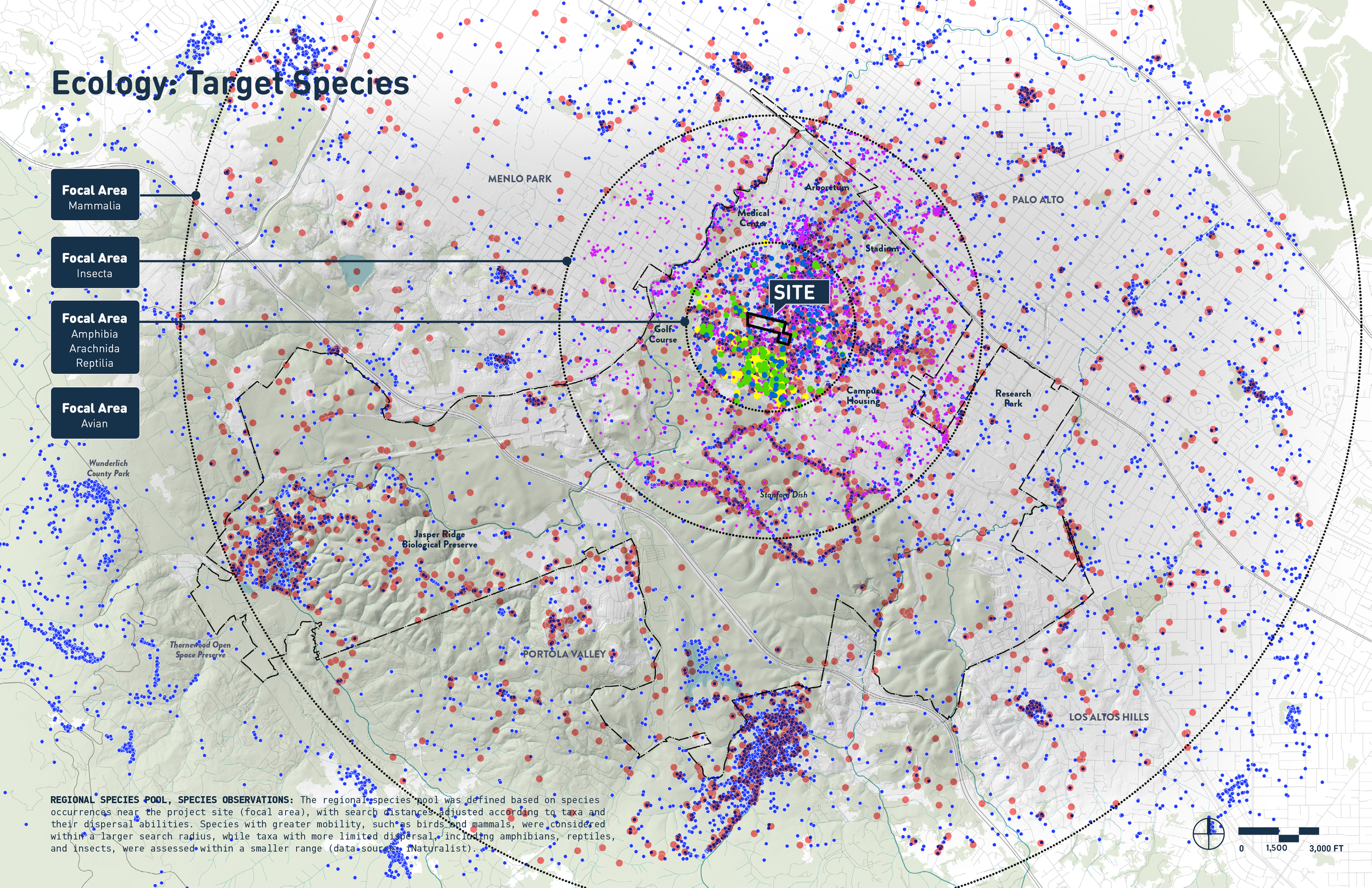
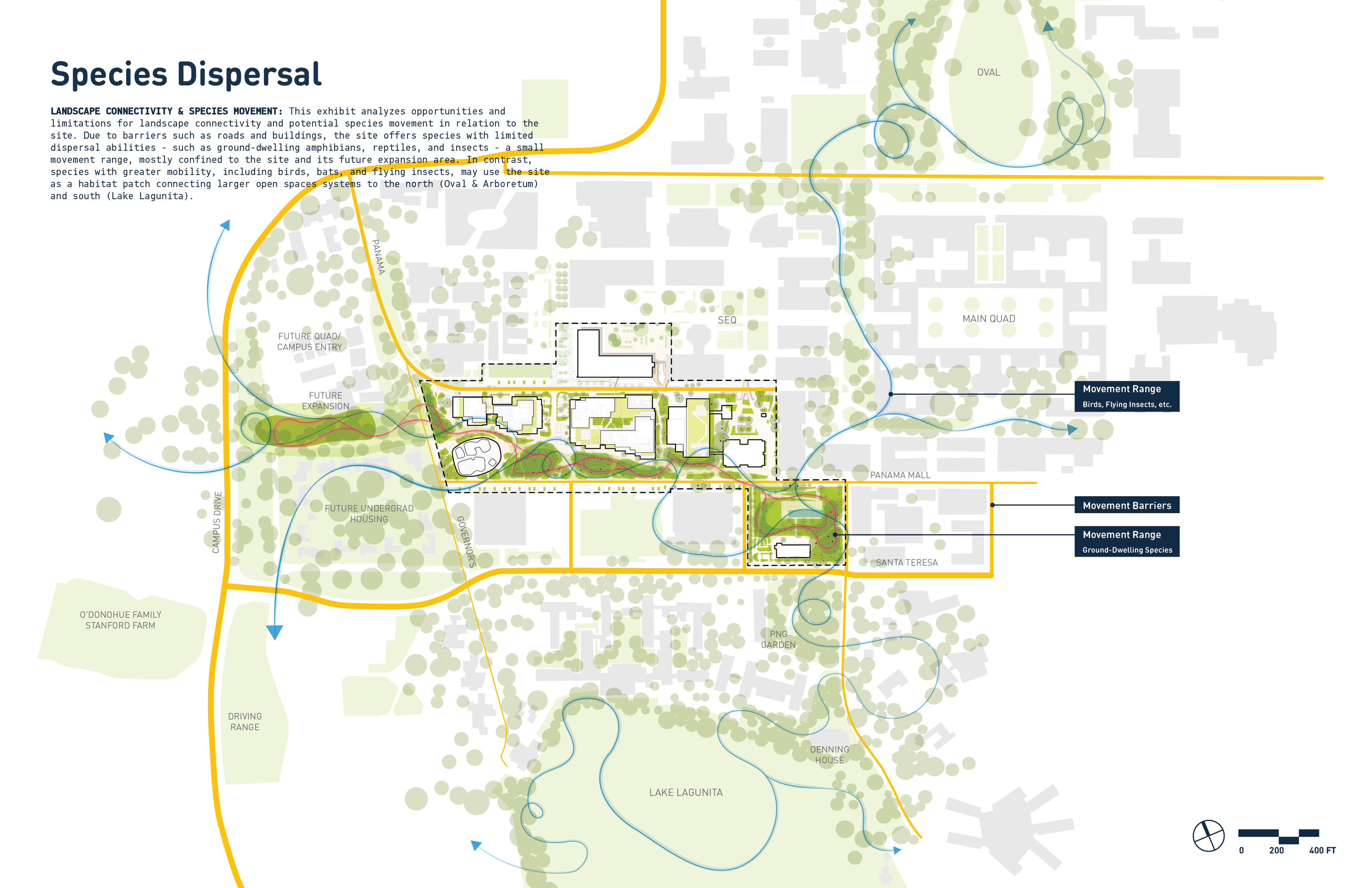
RANA’s role focused on the development of an ecological design framework that places biodiversity—and wildlife in particular—at the center of a highly programmed, human-occupied campus environment. Moving beyond conventional, defensive approaches to conservation in the built environment, the Doerr School of Sustainability is envisioned as a living laboratory for urban biodiversity. RANA led the creation of a Target Species Framework that uses the life-cycle needs of carefully selected species to inform design and management decisions, ensuring that food sources, nesting opportunities, movement corridors, and refuge from disturbance are intentionally embedded within the landscape. This framework balances ecological viability with human priorities, enabling meaningful coexistence between people and wildlife.
To support long-term performance, RANA also developed a monitoring and management strategy that establishes metrics for evaluating ecological health over time. By tracking plant and animal diversity, habitat use, and adaptive management outcomes, the landscape becomes an evolving research platform for students and faculty—one that demonstrates how designed environments can function as thriving ecological systems. Together with Studio Gang and the broader consultant team, RANA helped shape a campus landscape that is not only emblematic of the Doerr School’s mission, but actively advances it through design, research, and stewardship.
LOCATION
Palo Alto, CA
CLIENT
Stanford University
Studio Gang
COMPLETED
2025